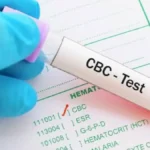





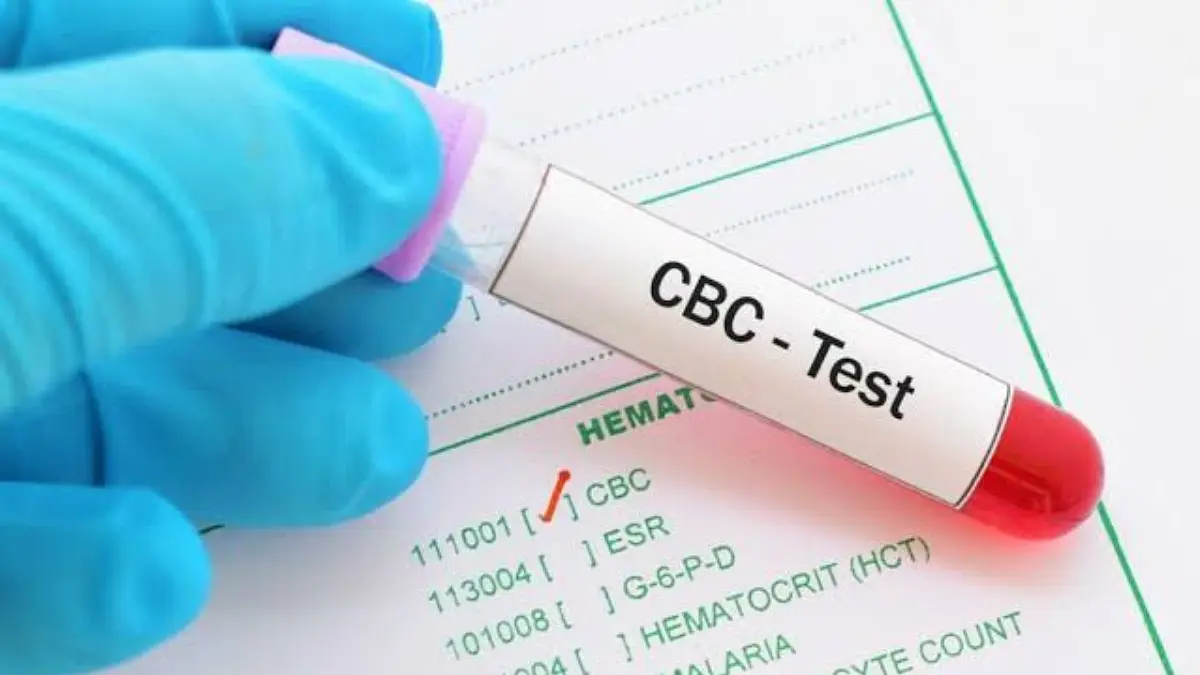
A Complete Blood Count, commonly called a CBC, is a frequently used blood test that measures several components of the blood.
Doctors may recommend this test as part of a routine health assessment, to investigate certain symptoms, or to monitor specific medical conditions and treatments.
Understanding the basic purpose of a CBC can help patients feel more prepared before their laboratory visit.
What Is a CBC Test?
A CBC measures important blood components, including red blood cells, white blood cells, hemoglobin, hematocrit, and platelets.
These components perform different functions in the body. Their measurements can provide useful information about oxygen transport, immune system activity, and blood clotting.
A CBC is a common investigation, but it does not identify every disease and usually needs to be interpreted alongside symptoms, medical history, and other findings.
Why Do Doctors Recommend a CBC Test?
A healthcare professional may request a CBC for several reasons.
1. Investigating Symptoms
The test may help investigate symptoms such as persistent fatigue, weakness, unexplained fever, or unusual bruising.
These symptoms can have many causes, so a CBC is only one part of the assessment.
2. Checking for Anemia
Hemoglobin and red blood cell measurements can help identify patterns associated with anemia.
Additional tests may be needed to determine the cause, such as iron deficiency, vitamin deficiency, chronic disease, or blood loss.
3. Assessing White Blood Cells
White blood cell counts may provide information about immune system activity.
Abnormal results can occur with infections, inflammatory conditions, certain medicines, and various other medical problems. A white blood cell count alone cannot establish a specific diagnosis.
4. Evaluating Platelets
Platelets help the blood form clots. An unusually low or high platelet count may require further assessment depending on the result and the patient’s circumstances.
5. Monitoring Certain Conditions
Doctors may use repeated CBC tests to monitor particular diseases or the effects of some treatments, including certain medicines that can affect blood cell counts.
How Should You Prepare for a CBC Test?
In many cases, a CBC alone does not require fasting.
However, if the blood sample is being collected for additional tests, such as certain glucose or lipid tests, fasting may be necessary.
Before your appointment:
- Follow the laboratory’s instructions.
- Tell your healthcare professional about medicines and supplements you take.
- Do not stop prescribed medication unless instructed by your healthcare professional.
- Ask whether any additional tests require special preparation.
You can usually continue your normal routine unless the healthcare professional or laboratory provides different instructions.
How Is the Test Performed?
A trained healthcare worker generally collects a blood sample from a vein in the arm using a sterile needle and appropriate collection equipment.
The procedure usually takes only a few minutes. You may feel a brief pinch when the needle is inserted.
After collection, mild soreness or a small bruise may occur. Inform the healthcare worker if you feel faint or have concerns about blood collection.
The sample is then sent for laboratory analysis.
Understanding CBC Results
A CBC report may include several measurements.
Hemoglobin (Hb): A protein in red blood cells that carries oxygen. Low levels may indicate anaemia, although the cause requires further evaluation.
Red blood cell count (RBC): Measures the number of red blood cells in a given volume of blood.
White blood cell count (WBC): Measures the number of white blood cells, which play a role in immune defence.
Platelet count: Measures the number of platelets involved in blood clotting.
Hematocrit (Hct): Indicates the proportion of blood volume occupied by red blood cells.
The laboratory usually provides reference ranges with the report. These ranges may differ depending on the laboratory, age, sex, pregnancy status, and other factors.
A result outside the reference range does not automatically mean that a person has a serious disease. Similarly, results within the reference range do not rule out every health problem.
When Should You Discuss Your Results With a Doctor?
Your doctor can interpret CBC results in the context of your symptoms, medical history, physical examination, and other investigations.
Depending on the findings, further tests or follow-up may be appropriate.
Do not self-diagnose or begin supplements or medicines solely on the basis of a CBC report. Seek urgent medical attention if you experience severe symptoms, such as difficulty breathing, chest pain, fainting, or significant uncontrolled bleeding.
Conclusion
A Complete Blood Count is a useful investigation that provides information about several important components of the blood.
Although the test can help identify patterns that require further assessment, it cannot diagnose every condition on its own. Understanding the results with the help of a qualified healthcare professional is the best way to determine whether further investigation or treatment is needed.
Disclaimer: This article is for general educational purposes only. Laboratory results must be interpreted by a qualified healthcare professional in the context of an individual’s health.