





Type 2 diabetes is a long-term health condition that affects how the body regulates blood glucose, also known as blood sugar.
It develops when the body does not use insulin effectively and may not produce enough insulin to maintain normal blood glucose levels.
The condition can develop gradually, and some people experience few or no noticeable symptoms in its early stages. Understanding the risk factors and recognising possible warning signs can help people seek appropriate testing and care.
What Is Type 2 Diabetes?
Insulin is a hormone that helps glucose move from the bloodstream into cells, where it can be used for energy.
In type 2 diabetes, the body becomes less responsive to insulin, a process known as insulin resistance. Over time, the pancreas may also struggle to produce enough insulin to meet the body’s needs.
If blood glucose remains elevated, it can damage blood vessels and nerves and increase the risk of complications affecting the eyes, kidneys, heart, and other parts of the body.
Common Warning Signs of Type 2 Diabetes
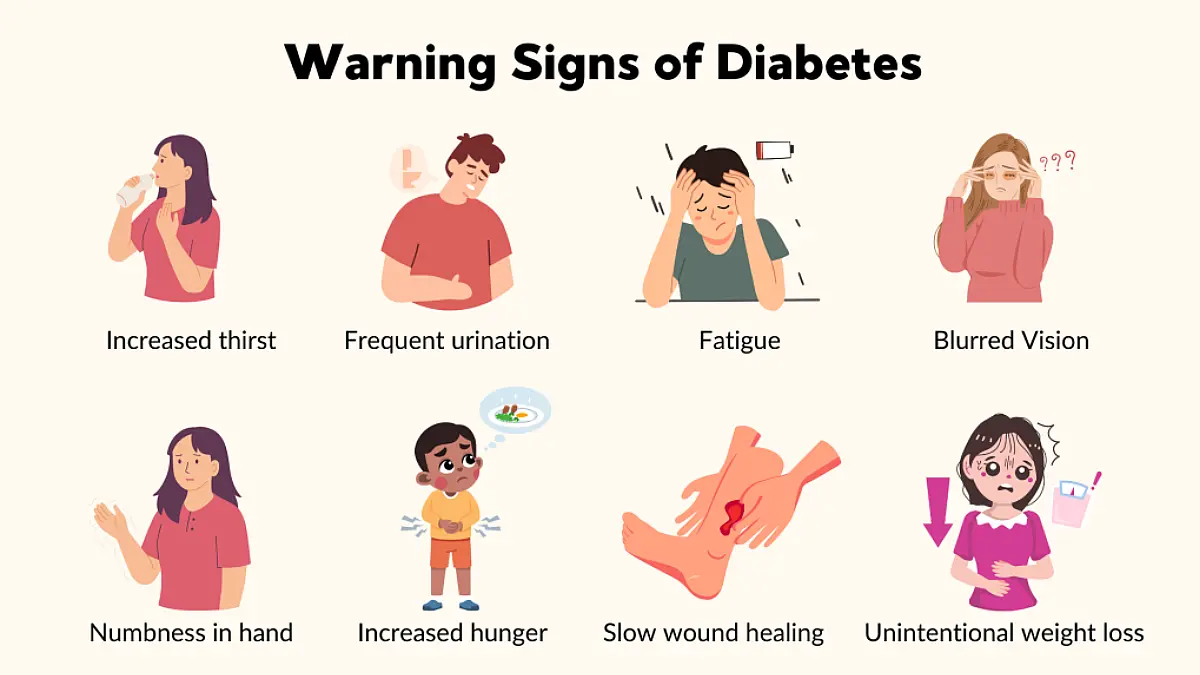
Possible symptoms include:
- Increased thirst.
- Frequent urination.
- Unusual tiredness.
- Increased hunger.
- Blurred vision.
- Slow healing of cuts or wounds.
- Recurrent infections.
- Unexplained weight loss in some cases.
These symptoms do not automatically mean someone has diabetes. Other health conditions can cause similar problems, and some people with diabetes have no obvious symptoms.
Anyone experiencing persistent symptoms should consult a qualified healthcare professional.
Who May Be at Higher Risk?
Several factors can increase the risk of developing type 2 diabetes.
Family History
Having a close relative with type 2 diabetes may increase your risk.
Excess Weight
Excess body fat, particularly around the abdomen, is associated with an increased risk in many people.
Physical Inactivity
Regular physical activity supports insulin sensitivity and overall metabolic health.
Increasing Age
The risk generally increases with age, although type 2 diabetes can also occur in younger adults and children.
Previous Gestational Diabetes
People who experienced diabetes during pregnancy have a higher future risk of developing type 2 diabetes.
Other factors, including certain medical conditions and population-specific risks, may also influence an individual’s likelihood of developing the disease.
How Is Type 2 Diabetes Diagnosed?
A healthcare professional may recommend blood tests based on symptoms, risk factors, and medical history.
Common tests include:
Fasting plasma glucose: Measures blood glucose after an overnight fast.
HbA1c test: Estimates average blood glucose over approximately the previous two to three months.
Oral glucose tolerance test: Measures how the body responds to a glucose-containing drink.
The appropriate test depends on the clinical situation. A healthcare professional may recommend repeat testing to confirm a diagnosis when necessary.
Can Type 2 Diabetes Be Prevented?
Type 2 diabetes cannot always be prevented, but certain lifestyle changes can reduce the risk for many people.
Eat Balanced Meals
Choose a variety of vegetables, whole grains, pulses, and suitable protein sources. Limit excessive added sugar and highly processed foods.
Stay Physically Active
Regular walking and other suitable activities can support metabolic health. Adults should generally aim for at least 150 minutes of moderate-intensity physical activity per week.
Maintain a Healthy Weight
For people who are overweight or at increased metabolic risk, an appropriate and sustainable weight-management plan may help reduce diabetes risk.
Avoid Tobacco
Avoiding tobacco supports cardiovascular and overall health.
Attend Appropriate Screening
People with risk factors should discuss diabetes screening with a healthcare professional. Earlier identification can help support timely treatment and risk reduction.
Managing Type 2 Diabetes
If you are diagnosed with type 2 diabetes, treatment may include dietary changes, physical activity, blood glucose monitoring, medication, or a combination of these approaches.
The treatment plan should be individualised. Regular follow-up can help monitor blood glucose and assess blood pressure, cholesterol, kidney function, eye health, and foot health.
Never start, stop, or change prescribed diabetes medication without professional guidance.
Conclusion
Type 2 diabetes is a common long-term condition, but appropriate testing, timely treatment, and ongoing management can help reduce the risk of complications.
Recognising possible symptoms, understanding personal risk factors, maintaining healthy habits, and attending recommended check-ups are important steps towards better metabolic health.
Disclaimer: This article is for educational purposes only. It does not diagnose diabetes or replace medical advice. Consult a qualified healthcare professional for testing and treatment recommendations.